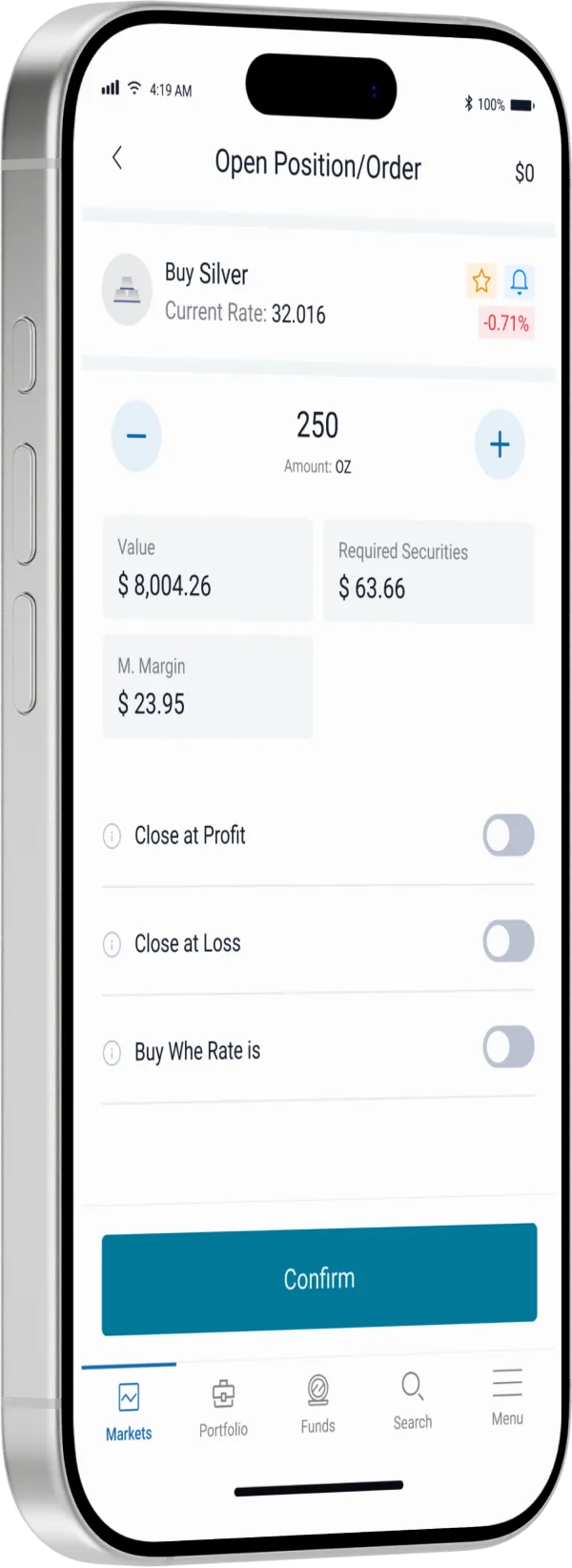
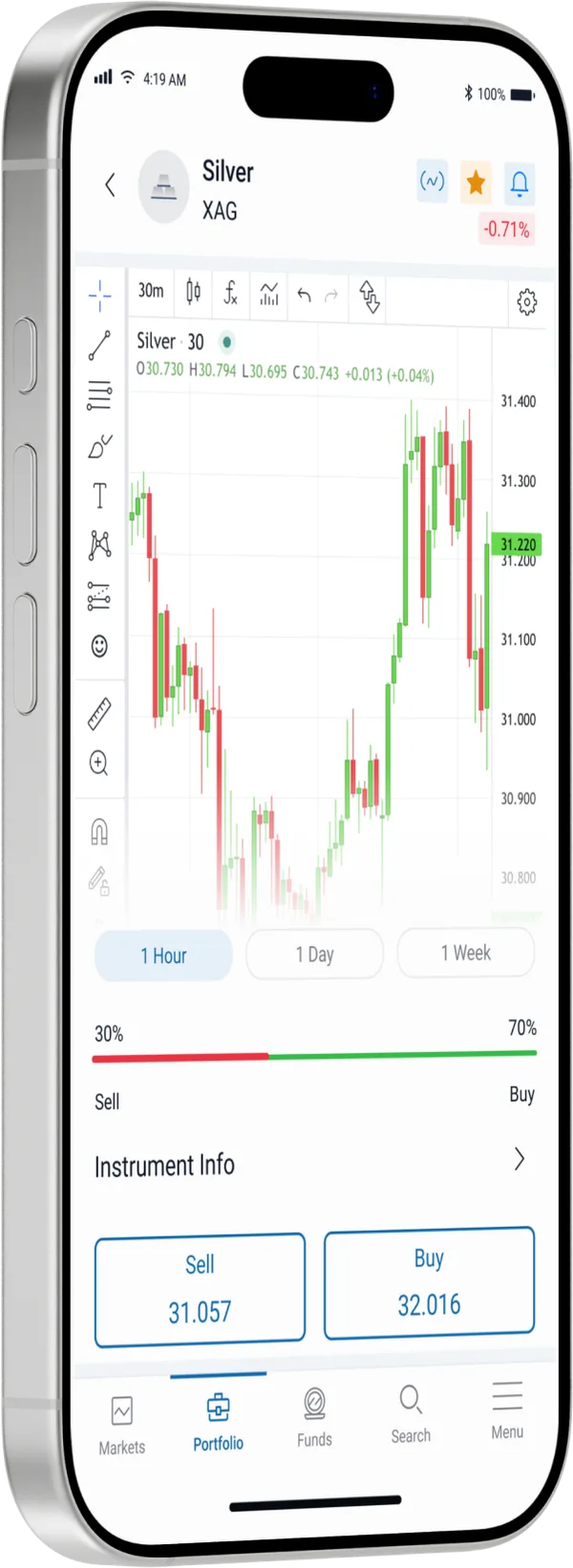
Starting to trade involves learning a new platform, understanding how markets move and getting used to the tools used to open and manage positions. There is no need to learn everything at once. A better approach is to become familiar with the basics first and build from there.
Where to begin with online trading?
Anyone learning how to start trading should first understand what happens before a trade is placed.
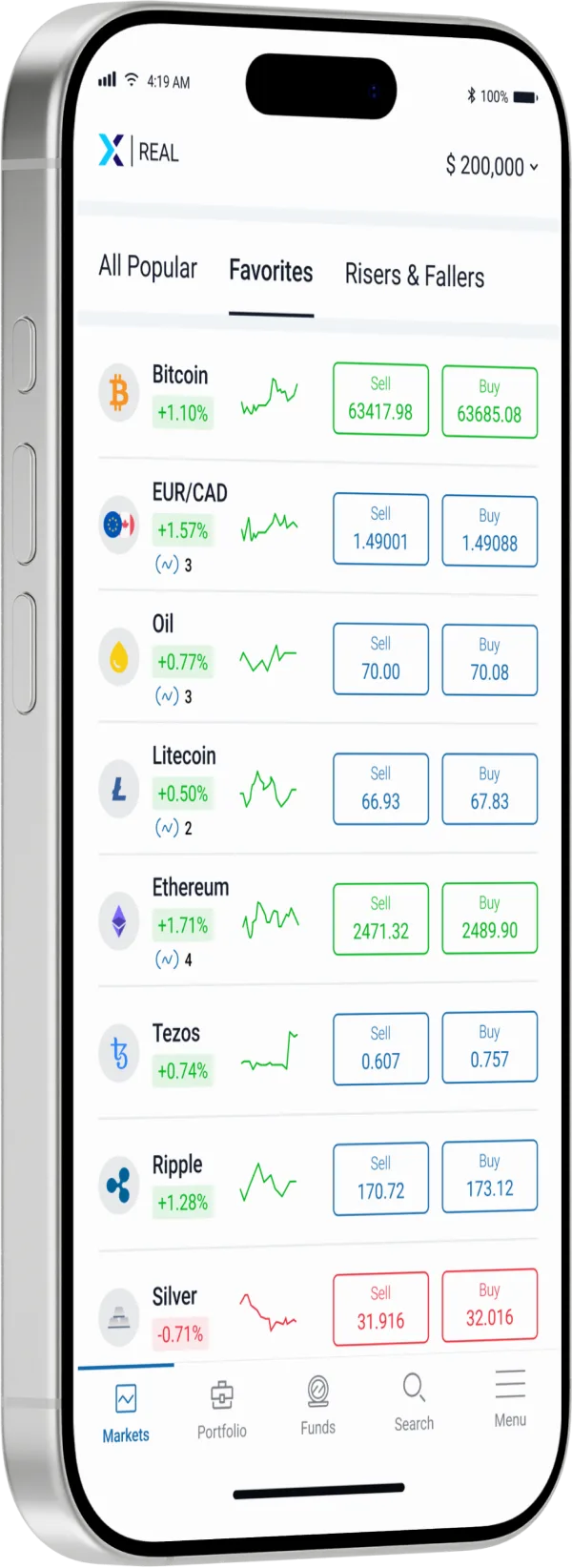
A trading platform brings several things together in one place. Traders can follow prices, open charts, choose financial instruments and manage open positions. Spending some time learning where these tools are located makes the platform easier to use later.
It also helps to focus on a small number of instruments at first. Moving between currencies, commodities, shares and indices can make the first experience feel crowded. Following one market for a while gives the trader more time to understand how prices change and how that information appears on the platform.
Learning how to start trading also means becoming familiar with basic order controls before using real funds. Understanding what happens after an order is opened or closed is more useful than trying to move through the platform quickly.
Taking time to understand the basic process creates a clearer picture of what trading actually involves before moving on to more advanced platform features.
What can a demo account really show?
A demo account gives traders a place to explore the platform without using money from a real trading balance. It can be used to practice opening and closing positions, follow price movements and become familiar with charts and trading controls.
Understanding the difference between demo vs real trading accounts helps traders know what a practice environment can and cannot provide. XTrade explains that a demo account includes the same platform features as a real account, but simulated trading cannot fully reproduce every condition found in live trading.
This distinction matters because a demo account has a practical purpose. It allows traders to learn how the platform works before real funds are involved.
Demo trading can reflect some parts of the trading process because traders can use the platform, follow market prices and practice managing positions. At the same time, the money used in the account is virtual, so the experience is not identical to trading with funds that can actually be lost.
What can be learned through practice?
Demo trading can be useful for learning simple actions that later become part of everyday platform use. A trader can practice finding an instrument, opening its chart, entering an order and checking an open position.
It also provides time to become familiar with the layout without feeling the need to make immediate decisions with real money.
Understanding demo vs real trading accounts also helps traders use a practice account for the right reason. It is a place to practice the process, not a way to predict what will happen once live trading begins.
A trader can also use this period to learn more about the markets being followed and become comfortable with the information displayed on the screen.
Moving forward at a comfortable pace
Starting to trade does not have to mean opening a live position immediately. A trader who wants to begin trading but does not know where to start can first learn the platform, follow a few markets and practice the basic actions in a demo environment.
The next stage comes after those actions feel familiar. Real trading brings financial risk, so understanding the platform before using real funds gives traders a clearer foundation.
A demo account reflects many parts of real trading conditions, but it remains a simulation. Used correctly, it gives traders space to practice, learn the platform and understand the steps involved before deciding whether to move to live trading.