Share on:
Beginner

How Old Do You Need to Be to Start Trading?

Many people become interested in financial markets before they are old enough to open a trading account. They may follow stock prices, read about forex or watch how different markets move, but opening a real trading account comes with specific requirements.

One of them is age.

In most cases, a person needs to be at least 18 years old to open a trading account independently. The exact requirement can depend on the broker and the laws that apply in the trader's country, so the age requirement should always be checked before registration.

Why Is There a Minimum Age for Trading?

A real trading account is a financial account. Opening one involves accepting legal terms, providing personal information and completing identity checks.

These steps are not simply part of creating a username and password. The person opening the account is entering into an agreement with a financial services provider and may also be depositing real money.

This is why age matters.

Someone who is under the required age may still be able to study the markets and understand how trading works, but that does not mean they can open and use a real account independently.

What Happens When a Trading Account Is Opened?

Opening an account usually starts with basic registration details such as the trader's country of residence and email address.

Before real trading begins, additional information and documents may also be required. These can include identification and proof of residence.

The purpose of these checks is to confirm who is opening the account and verify the information that has been submitted.

A person looking for an online trading platform may compare different providers before opening an account. The registration process, available markets and the information provided about the service can all be part of that decision.

XTrade gives traders access to different financial markets through its online platform, with account opening and identity verification forming part of the process before real trading begins.

Can Someone Under 18 Learn About Trading?

Being too young to open a real account does not prevent someone from learning how financial markets work.

There is a lot that can be understood before real money is involved. A beginner can become familiar with basic terms, learn how prices move and understand concepts such as spreads, long and short positions, Stop Loss and Take Profit.

Educational material can also help explain the difference between markets such as forex, shares, commodities and indices.

Demo accounts can also be useful for becoming familiar with how a trading platform works without using a real deposit. They can help a beginner understand where to find prices, how positions are opened and closed and how different features work.

For someone new to trading, the best online trading platform is not only about the number of markets available. Clear information and a platform that is easy to understand can also make the first steps simpler.

At the same time, simulated trading does not fully reproduce the experience of trading with real money. Real market conditions and the emotional side of trading can make live trading feel very different.

Turning 18 Does Not Automatically Mean Someone Is Ready to Trade

Meeting the minimum age requirement only means that a person may be legally old enough to open an account, subject to the rules that apply to them.

It does not mean they automatically understand the markets or the risks involved.

Before trading with real money, a new trader should understand what is being traded, how positions are opened and closed, what costs may apply and how much money can be lost.

Someone choosing a trading platform for beginners should also check the age requirement, verification process and the type of trading available before opening a real account.

Age determines whether someone may be eligible to open an account. Knowledge and preparation are separate matters.

The Age Requirement Should Be Checked Before Opening an Account

The minimum age for trading is usually 18, but traders should still check the rules of the platform they want to use and the legal requirements in their country.

Opening a real account can involve identity verification, proof of residence and other information required by the provider.

For someone who has not yet reached the required age, the time can still be used to understand how markets work and become familiar with basic trading concepts.

Once the age requirement is met, the next step is not simply opening an account. It is making sure the risks, the platform and the type of trading involved are understood first.
 

Latest Articles

How to Protect Your Trading Account From Phishing and Online Scams?
Beginner

How to Protect Your Trading Account From Phishing and Online Scams?

Trading online involves opening positions, checking prices and managing money through a website or app. Most traders use their accounts regularly, but it is easy to overlook the risk of someone trying to steal their login details.A fake email, a message pretending to come from a broker or a website that looks almost identical to the real one can put a trading account at risk. Scammers often create a sense of urgency, hoping the person receiving the message will act without checking where it came from.These scams can target anyone trading forex, gold, stocks or other financial instruments. Knowing how they work makes suspicious requests easier to spot.How Phishing Scams Target Trading Accounts?Phishing happens when someone pretends to represent a company or another person to obtain private information. In online trading, scammers usually want passwords, account details or payment information.A common example is an email claiming something is wrong with a trading account. It might say the account has been locked, a deposit has failed or an urgent security check is required.The message often contains a link to a fake login page. That page may use the same colours, logo and layout as the real trading website.If the trader enters their username and password, the information may go directly to the scammer.Some fake messages are easy to recognise, but others look professional and include the correct company name. The appearance of a message is not enough to confirm that it is genuine.Check the Website Before Logging InOne way to avoid fake trading websites is to use the broker's official address rather than opening links from unexpected messages.Scammers sometimes create website addresses with small spelling changes or extra words. These differences can be difficult to notice, especially when using a mobile phone.When choosing an online trading platform, beginners should know the company's official website before registering or entering personal information.For example, traders using XTrade's official website can save the address in their browser and use it whenever they need to access their account.A professional design does not mean a website is genuine. Even a secure connection does not prove that the company behind the website is legitimate.If a link looks unfamiliar, opening the website directly through a saved address is a safer option than following the link.Why Broker Regulation Matters?People looking for a regulated online trading platform often check licences and the rules that apply to the broker. These details are important when deciding where to open an account.However, scammers can also pretend to represent regulated companies. They may copy logos, use genuine licence numbers or mention the name of a well known broker.That is why a licence number in an advertisement is not enough to confirm that the person or website is genuine.Before registering, traders should check which legal company operates the platform and which regulator oversees it. Those details should match the information published in the regulator's official register.For anyone comparing regulated trading platforms, checking the company's legal information is more useful than trusting claims in social media advertisements.Traders can review the company's licences and regulations information and confirm the details with the relevant regulator.A regulated broker can still be impersonated by scammers. Regulation also does not remove the financial risks of trading.Watch Out for Fake Support MessagesNot every scam begins with a request for a password. Some start with an offer to help with a trading problem.A scammer may claim to work for customer support and say they need access to an account to fix a problem with a deposit, withdrawal or open position.Others offer to manage trades or recover money lost in previous transactions. They may ask for an upfront payment, login details or remote access to the trader's computer.These requests are particularly suspicious when they come from someone the trader has never contacted.If a person claims to represent a broker, traders should verify the request through the company's official support channels. Passwords, verification codes and remote access should not be shared simply because someone claims to work for a trading company.Before opening an account, traders should also check how the broker handles customer support requests. Keep Trading Account Details PrivateUsing a different password for each financial account is a basic way to protect login details. If a password is exposed through another website, it should not also provide access to a trading account.Long passwords that are difficult to guess are generally more secure than using a name, date of birth or a short combination of numbers.If additional login verification is available, enabling it can provide another layer of security.Traders should also be careful when using shared computers or unfamiliar devices. Saving account passwords on a computer used by several people can expose private information.Trading apps should be downloaded from the broker's official website or a verified app store listing, not from links sent by strangers.For beginners choosing a trading platform, account security matters just as much as trading tools and ease of use.What to Do If Something Looks Suspicious?If an unexpected message asks for account information, traders should avoid clicking its links or replying with personal details.Instead, they can contact the broker through an official support channel to check whether the request is genuine.If login details have already been entered on a suspicious website, the account password should be changed through the official website or app. Any other accounts using the same password should be secured as well.The broker should also be contacted promptly, particularly if there are unfamiliar transactions, changes to account details or problems logging in.If payment information may have been exposed, the trader should contact the relevant bank or payment provider.It is also worth checking recent account activity and reporting any orders, withdrawals or other actions that were not authorised.Acting quickly may help prevent further unauthorised activity, although it cannot guarantee that no damage has already occurred.Choosing a Trading Platform With Security in MindWhen comparing trading platforms, beginners often focus on available markets, trading tools and how easy it is to place an order.These features matter, but the company's identity, regulatory information and official support channels deserve attention too.There is no single best trading platform for every beginner. The right choice depends on the trader's needs, the services available in their country and the regulations that apply.Even when using a legitimate trading service, unexpected messages and suspicious links can put account information at risk. Checking who is requesting information before responding can help prevent someone else from gaining access to a trading account.

How to Read an Economic Calendar Before Trading Forex?
Beginner

How to Read an Economic Calendar Before Trading Forex?

Forex prices can move quickly when important economic news comes out. Interest rate decisions, inflation reports and employment figures can all affect currency prices, sometimes within seconds of being released.An economic calendar shows when these announcements are coming up. Traders can check the schedule before opening a position instead of finding out about an important report after it has already been published.The calendar brings together dates, currencies, economic events and market expectations. Understanding the information in each column makes it easier to find the announcements that matter to a particular trade.Understanding the Economic CalendarTraders can use XTrade's economic calendar to check upcoming economic announcements and their scheduled release times.At the top of the calendar, there are tabs for different days of the week, along with an All option that shows the events together. Traders can switch between the displayed days or scroll through the list to find upcoming announcements.The table includes seven columns:Date: The scheduled date and time of the announcement.Currency: The currency linked to the event, such as USD, EUR or GBP.Message: The name of the economic report or announcement.Impact: A star rating showing the expected importance of the event.Actual: The result published when the figures are released.Forecast: The expected result before publication.Previous: The figure reported for the earlier period.The Impact column uses stars to show which events are expected to attract more attention. A higher rating suggests that the announcement may be more important to the market, but it does not guarantee a large price movement.Traders should also check which time zone applies to the displayed release times before relying on the schedule.Reading the Figures in Each RowThe Previous, Forecast and Actual columns are particularly useful when following economic reports.Previous shows the earlier reported figure. It provides a reference for the new result, although some economic data can be revised later.Forecast shows what economists expect before the announcement.Actual displays the reported result once the figures have been published. Before that happens, the field may be empty.For example, an inflation report might show a previous reading of 2.5%, a forecast of 2.6% and an actual result of 2.4%.In this example, the latest figure is lower than both the earlier reading and the forecast. These numbers are for illustration only and are not taken from a real economic report.The figures also need to be read in the context of the event listed under Message.An inflation report may show percentages, while an employment report might show changes in the number of jobs. Other announcements use different measurements.On the XTrade calendar, selecting an event can also display additional information about the economic indicator, including details about the reported figures.Finding Events That Matter for Forex TradingNot every event on the calendar will be relevant to the currency pair a trader is following.Someone trading EUR/USD will usually focus on major announcements linked to the US dollar and the euro. A trader following GBP/USD may also want to check economic reports from the United Kingdom.The Currency column helps identify these announcements without having to read every event in the list.The Message column shows what is being published. This might be an interest rate decision, an inflation reading, an employment update or a report on economic growth.For traders interested in forex trading, checking the currencies linked to important releases is a practical way to prepare for the trading day.It is also worth checking the dates of major announcements before opening a position that may remain active for several days.Checking the Calendar Before Opening a PositionThe calendar is useful before placing an order, especially when important economic figures are due to be released that day.Start by checking the Date column for upcoming announcements. If a major report is scheduled soon, traders can consider how it might affect an open or planned position.Next, look at the Currency and Impact columns. These show which currencies are linked to the event and how important the release is expected to be.The Forecast and Previous figures provide background before the new result becomes available.During major announcements, forex prices can change quickly. Spreads may widen, and orders may be filled at prices different from those requested.The calendar does not tell traders whether to buy or sell. It gives them the release schedule and the figures they need to follow.Following Economic News From a PhoneMany traders use their phones to check prices, follow open positions and manage orders during the day.When trading forex from a phone, the economic calendar can be opened through a browser to check whether any important announcements are coming up.For someone looking for a forex trading app for beginners, useful features include clear price charts, access to open positions and simple order controls.The Android trading app provides access to trading charts, positions and account information from a mobile device.Traders using a mobile trading app can check the economic calendar separately before making a decision about an open or planned trade.When choosing an app for trading from a phone, easy access to account information matters. The calendar can be used alongside the app to keep track of scheduled economic news.Using the Calendar During the Trading DayAn economic calendar is not only useful before the market session begins. Traders can return to it throughout the day to check whether scheduled reports have been published.Once the Actual figure appears, it can be compared with the Forecast and Previous columns.The calendar may also show updated figures for earlier periods, depending on the economic report.A result that differs from expectations may attract market attention, but the numbers alone do not tell traders which direction prices will move.The All tab provides an overview of the listed events, while the day tabs make it easier to focus on a particular date.Checking the calendar regularly gives traders a clearer picture of what is scheduled without having to search for every economic announcement separately.It is a practical tool for following market news and checking which events may be relevant to the currencies being traded.

What Is the NFP Report and Why Does It Matter in Forex Trading?
Beginner

What Is the NFP Report and Why Does It Matter in Forex Trading?

When the US jobs report comes out, forex prices can move quickly. Traders watch the numbers because they can affect the US dollar, interest rate expectations and popular currency pairs.The report is commonly known as NFP, which stands for Nonfarm Payrolls. It shows how employment is changing in the United States and is one of the economic releases that forex traders follow each month.The main things to watch are what the report measures, how the figures compare with forecasts and how the market reacts when the results are published.What Is the NFP Report?The NFP figure measures the monthly change in US nonfarm payroll jobs. It excludes farm workers, self-employed people and some other categories of workers.It is part of the monthly Employment Situation report published by the US Bureau of Labor Statistics. The report also includes the unemployment rate, average hourly earnings and other employment figures.The release is usually scheduled for 8:30 a.m. Eastern Time, often on the first Friday of the month. Traders can check the official release calendar for the exact date.Strong job growth can suggest that businesses are still hiring, while weaker figures may raise concerns about the economy.The headline number is not the whole story, though. Traders also follow wage growth, unemployment and revisions to figures from previous months.Why Does NFP Move Forex Prices?Employment data can affect expectations about future interest rate decisions by the US Federal Reserve.If employment is stronger than expected, traders may believe the Federal Reserve has less reason to lower interest rates. That can support the dollar, depending on what the market had already expected.Weaker figures can lead to a different reaction, particularly if traders think interest rates may need to come down.Still, the numbers do not always point in the same direction. A report may show strong job growth while unemployment rises. Wage growth might also slow despite an increase in jobs.When trading forex CFDs, pairs such as EUR/USD, GBP/USD and USD/JPY can be sensitive to US employment news because they all include the dollar.With forex CFDs, traders do not own the currencies. Their positions gain or lose value as exchange rates move.What Happens When the Numbers Come Out?Before the report is released, economists publish forecasts for job growth, unemployment and wages.Traders compare the actual figures with those forecasts. A result that differs significantly from expectations can cause a quick market reaction, although the direction is not always easy to predict.The market may have already priced in certain expectations, and other figures in the report can affect how traders respond.This makes trading around the NFP release challenging, especially for beginners who are not used to sudden price movements.How Can NFP Affect Gold Trading?NFP is closely followed in forex trading, but it also matters to gold traders.Gold is commonly priced in US dollars, and its price can react when the jobs report changes expectations about interest rates or the dollar.The reaction can vary. Other economic news, market conditions and political developments may influence gold prices at the same time.Anyone interested in how to start trading gold should be aware that US employment announcements can lead to sharp price movements, even though gold is not a currency pair.Through Gold/USD CFD trading, traders can take positions based on movements in the price of gold against the US dollar without buying physical gold.What Should Traders Check Before the NFP Release?There are several things worth checking before the employment figures are published:Release time: Check when the report is due and whether the time zone matches the one shown on the trading platform.Market forecasts: Check the expected job figures and compare them with previous results.Other employment data: Pay attention to unemployment, wage growth and revisions to earlier reports.Open positions: Consider whether existing forex or gold trades could be affected by changes in the dollar.Trading costs and risk: Fast market movements can lead to wider spreads, slippage and unexpected losses.For beginners using a CFD trading platform, it is important to know how orders work before trading around major economic announcements.A Stop Loss order can help manage risk, but it does not guarantee execution at the requested price when markets move quickly.Leverage increases exposure to price movements. Even a relatively small change in a currency pair or gold price can cause a significant gain or loss compared with the margin required.Does a Strong NFP Report Mean the Dollar Will Rise?Not necessarily.Traders consider how the employment figures compare with forecasts and what the results might mean for Federal Reserve policy.Sometimes a strong jobs figure has little effect because the market was already expecting it. In other cases, revisions to earlier employment data or unexpected wage figures can matter more than the headline number.This is why NFP should not be treated as a simple signal to buy or sell.Beginners trading CFDs can follow economic announcements to become more familiar with how currency prices react to new data. Watching those movements does not remove the risks involved in opening a live position.What Traders Should Remember About NFPNFP provides a monthly update on the US labour market and can change expectations about interest rates.Because the dollar is part of many widely traded currency pairs, the report can affect forex prices. Gold may also react when expectations about the dollar or interest rates change.XTrade offers access to forex and gold CFDs, allowing traders to follow price movements in both markets.The report can help explain why markets are moving, but it cannot tell traders where prices will go next.

How to Deal With Fear of Losing Money and FOMO in Trading
Beginner

How to Deal With Fear of Losing Money and FOMO in Trading

Trading with real money can be stressful, especially when prices move quickly. A position that looked promising earlier can suddenly show a loss. On the other hand, watching gold or a currency pair rise without having an open position can make traders feel they are missing an opportunity.These situations can lead to decisions that were never part of the original trading plan. Some traders close positions too early because they are worried about losing more money. Others enter the market after a sharp price movement, hoping to catch the rest of the move.Knowing how these reactions affect trading can help beginners avoid making decisions in a hurry.Why Losing Trades Can Be Difficult?Nobody likes seeing a trade move into a loss. The problem starts when the loss changes how a trader makes decisions.For example, someone trading EUR/USD may close a position as soon as the price moves against them, even though it has not reached their planned exit level. Another trader might keep a losing position open, hoping the market will eventually recover.In both cases, the original trading plan is no longer guiding the decision.For people who want to start trading but do not know where to begin, understanding how losses work is an important first step. No trading strategy or market analysis can guarantee a profit, and even experienced traders have losing positions.Before entering the market, it helps to understand what could affect the trade and how much money is at stake.How FOMO Affects Trading?Fear of missing out, usually called FOMO, can push traders to enter the market after prices have already moved sharply.This often happens around major economic announcements or when a particular market attracts a lot of attention. A sudden rise in gold prices, for example, may encourage traders to buy without checking what caused the movement.However, a strong price move does not mean the market will continue in the same direction. By the time a new position is opened, prices may already be changing course.Social media can add to the pressure. Seeing other traders post screenshots of profitable positions might make an opportunity look easier than it really was. Those posts rarely show every loss or the risks involved.Missing a market move does not cost money on its own. Entering at the wrong time, without understanding the trade, can.What Can Help Traders Make Better Decisions?Check the market before opening a positionA trade should have a clear reason behind it. That might be a certain price level, an economic announcement or a trading setup that the trader already understands.It helps to decide what would justify opening the position and when it should be closed.For instance, someone following EUR/USD might wait for a planned entry level instead of buying immediately after a sudden rise.This gives the trader something to follow besides the latest movement on the screen.Practise before trading with real moneyMany beginners are interested in trading but are not sure where to start. Getting familiar with the trading platform can make the first steps easier.A demo account allows users to practise trading without risking real money. Traders can open and close positions, follow prices and learn how different orders work using virtual funds.It is useful for getting comfortable with the tools, although demo trading does not fully reflect live trading conditions or the experience of making financial decisions with real money.XTrade offers a getting started guide for anyone learning the basics of online trading.Understand the risk before placing an orderWhen trading CFDs, traders should know how position size, margin and leverage affect their exposure to the market.Leverage allows traders to control a larger position with a smaller amount of capital, but it also increases the potential for losses.A Stop Loss order can help manage risk, although fast price movements may cause an order to be executed at a different price from the one selected.Checking these details before placing an order can prevent unpleasant surprises later.Avoid trying to recover a loss straight awayAfter closing a losing position, some traders open another trade immediately to try to win the money back.This is often called revenge trading. Instead of looking for a new opportunity, the trader is focused on recovering the previous loss.The next position carries its own risks, regardless of what happened in the last trade.Reviewing the previous decision and taking time away from the screen can be more useful than rushing into another position.Does the Trading Platform Make a Difference?An easy to use trading platform can make everyday tasks simpler, particularly for people who are still learning how online trading works.When choosing a trading platform for beginners, it helps to check how easily users can find price charts, order details, open positions and risk management tools.Someone comparing trading platforms for new traders should also look at how orders are placed and how the account information is displayed.A trading platform suitable for beginners should make these features easy to access without unnecessary steps.Even the best trading platform for a beginner cannot remove market risk. Understanding the tools matters, but the trader still needs to decide when a position makes sense.What to Check After Each TradeChecking previous trades can help traders spot habits they might not notice while trading.A simple trading journal can include the reason for entering, the planned exit, the result and whether the trader followed the original plan.For example, someone might notice that they often enter after a sharp increase in price. Another trader may discover that they tend to close positions too early after small losses.It is worth reviewing profitable trades as well. Making money on a position does not always mean the decision was well planned.Taking a More Careful Approach to TradingFear of losing money and FOMO can affect beginners and experienced traders alike. Both become a problem when they lead to trades that were not properly considered.For someone taking their first steps in online trading, practising with virtual funds and understanding the available trading tools can provide useful experience before moving to a live account.The market will continue moving whether a trader opens a position or not. There is no need to follow every price change or enter every possible trade.What matters is understanding the position, knowing the risks and having a reason for each decision.

How Can Beginners Use AI to Understand Trading?
Beginner

How Can Beginners Use AI to Understand Trading?

AI has become a common tool for finding and organizing information. For someone who is new to trading, it can also help make unfamiliar subjects easier to understand.Trading includes new terms, different markets and a lot of information. A beginner does not need AI to make trading decisions. Its main value is helping explain information in simpler language and making the learning process easier to follow.AI can help beginners understand the basicsSomeone who is interested in trading may not know what to learn first. There are different markets, account types, trading platforms and basic terms to understand before opening a position.For someone who does not know where to begin with trading, AI can help organize the first steps and make basic information easier to follow.It can also support the first steps in trading by helping a beginner understand the main ideas before moving on to more detailed information.A person who is new to trading and unsure where to start does not need to learn everything at once. Understanding the basic structure of trading first can make later information much easier to follow.AI can make trading terms easier to understandTrading language can feel unfamiliar at the beginning. Terms that experienced traders use every day may sound complicated to someone seeing them for the first time.AI can help simplify those explanations without changing the basic meaning. This can be useful when a beginner wants a clearer version of a technical subject before reading more detailed material.CFD trading is one example. A person trying to understand how CFD trading works may find it easier to start with a simple explanation of the basic idea.Understanding how CFDs work in simple terms can make it easier to follow information about price movements, open positions and the market behind the CFD.XTrade provides educational content that covers CFD trading and other basic market topics for new traders.AI can help organize market informationTrading information can come from many places. A beginner may read about forex, shares, commodities or market news and find it difficult to understand which information matters most.AI can help sort information into clearer groups and separate basic subjects from more advanced ones.For someone starting trading without knowing what to focus on first, this can make the learning process more manageable.It can also help turn a large amount of information into a shorter and clearer overview. This can be useful when several sources cover the same topic in different ways.The goal is not to collect more information. The goal is to understand the information that is already available.Important details still need to be checkedAI can explain a subject quickly, but important trading information should still be checked against reliable sources.Trading conditions, fees, platform rules and product details can change. These details should come from the provider or another reliable financial source.The same applies when understanding CFD trading in practice. AI can help explain the general idea, but the exact conditions depend on the product and the platform being used.AI can also provide information that is incomplete or no longer current. That is why it works best as a learning tool rather than the final source for important trading details.Using AI as part of the learning processFor a beginner, AI can be useful for making trading information easier to approach.It can help explain unfamiliar language, organize information and make technical subjects easier to follow.A person who is new to trading can use it as part of the learning process, while checking important details separately and making trading decisions independently.AI is most useful when it helps the trader understand the information better, rather than trying to replace the trader’s own judgment. 

What Happens to an Open Trade If You Lose Internet Connection?
Beginner

What Happens to an Open Trade If You Lose Internet Connection?

An internet connection can drop without warning. WiFi may stop working, mobile data can disappear or the trading platform may suddenly become unavailable.If a trader already has an open position, the trade does not automatically close because the connection is lost. The position stays open until it is closed according to the platform rules or the instructions already connected to it.What changes is the trader’s ability to access the account, check the position and send new instructions.An open position can stay active without the screen being openA trader does not need to keep the trading platform open on the screen all the time.Once a position has been opened, it can remain active even if the trader closes the app, turns off the computer or temporarily loses internet access.The market can still move during that time. This means the value of the open position can also change while the trader is offline.For someone using a trading platform for beginners, understanding this is useful from the start. An open position and access to the trading account are two different things.A simple trading platform for beginners can make it easier to find open positions and check the account after reconnecting.What if the connection drops while an order is being sent?This situation is different.If the trader tries to open or close a position just as the internet connection drops, the order may not reach the platform immediately.A weak internet connection can affect the speed of order execution. A delay can also affect the price at which the order is eventually completed.Because of this, it is better not to assume that an order went through simply because the trader pressed the button.Once the internet is working again, the account should be checked first. The trader can then confirm whether the order was completed before trying to send it again.For anyone using a beginner friendly trading platform, checking the order status after a connection problem is a simple but important step.What about Stop Loss and Take Profit?A trader may already have Stop Loss or Take Profit levels connected to an open position before the connection is lost.These settings can be added to an open position through the platform. A trader can read more about Stop Loss and Take Profit levels.These tools can help manage an open position, but they do not guarantee that a trade will always close at the exact price selected. Market conditions can still affect execution.Losing internet access does not stop the market from moving. The trader may simply be unable to follow those movements until the connection returns.A reliable platform and a reliable connection both matterOnline trading depends on two separate things: access to the trading platform and a working internet connection.A trader needs internet access to log in, check positions and send new instructions. At the same time, it is also important to know who operates the trading service and under which rules it works.A regulated online trading platform gives traders a clear place to check information about the company and its licences.XTrade provides this regulatory information clearly, alongside access to its online trading services.A regulated platform for online trading still depends on the trader having a working internet connection when using the account.The same is true for regulated online trading services in general. Regulation and internet access solve two different needs, and both are part of using an online trading account.What should be checked when the connection returns?When the internet comes back, the trader should first open the account and check what happened while access was unavailable.The position may still be open. An order sent just before the connection was lost may have been completed, delayed or not completed at all.The current market price may also be different from the price that was shown before the connection disappeared.If an order was sent just before the internet went down, checking its status before sending another one is especially important.An internet problem does not automatically close an open position. It mainly affects the trader’s ability to access the account and send new instructions.If the connection drops during trading, knowing what happens next can make the situation easier to handle. 

How Old Do You Need to Be to Start Trading?
Beginner

How Old Do You Need to Be to Start Trading?

Many people become interested in financial markets before they are old enough to open a trading account. They may follow stock prices, read about forex or watch how different markets move, but opening a real trading account comes with specific requirements.One of them is age.In most cases, a person needs to be at least 18 years old to open a trading account independently. The exact requirement can depend on the broker and the laws that apply in the trader's country, so the age requirement should always be checked before registration.Why Is There a Minimum Age for Trading?A real trading account is a financial account. Opening one involves accepting legal terms, providing personal information and completing identity checks.These steps are not simply part of creating a username and password. The person opening the account is entering into an agreement with a financial services provider and may also be depositing real money.This is why age matters.Someone who is under the required age may still be able to study the markets and understand how trading works, but that does not mean they can open and use a real account independently.What Happens When a Trading Account Is Opened?Opening an account usually starts with basic registration details such as the trader's country of residence and email address.Before real trading begins, additional information and documents may also be required. These can include identification and proof of residence.The purpose of these checks is to confirm who is opening the account and verify the information that has been submitted.A person looking for an online trading platform may compare different providers before opening an account. The registration process, available markets and the information provided about the service can all be part of that decision.XTrade gives traders access to different financial markets through its online platform, with account opening and identity verification forming part of the process before real trading begins.Can Someone Under 18 Learn About Trading?Being too young to open a real account does not prevent someone from learning how financial markets work.There is a lot that can be understood before real money is involved. A beginner can become familiar with basic terms, learn how prices move and understand concepts such as spreads, long and short positions, Stop Loss and Take Profit.Educational material can also help explain the difference between markets such as forex, shares, commodities and indices.Demo accounts can also be useful for becoming familiar with how a trading platform works without using a real deposit. They can help a beginner understand where to find prices, how positions are opened and closed and how different features work.For someone new to trading, the best online trading platform is not only about the number of markets available. Clear information and a platform that is easy to understand can also make the first steps simpler.At the same time, simulated trading does not fully reproduce the experience of trading with real money. Real market conditions and the emotional side of trading can make live trading feel very different.Turning 18 Does Not Automatically Mean Someone Is Ready to TradeMeeting the minimum age requirement only means that a person may be legally old enough to open an account, subject to the rules that apply to them.It does not mean they automatically understand the markets or the risks involved.Before trading with real money, a new trader should understand what is being traded, how positions are opened and closed, what costs may apply and how much money can be lost.Someone choosing a trading platform for beginners should also check the age requirement, verification process and the type of trading available before opening a real account.Age determines whether someone may be eligible to open an account. Knowledge and preparation are separate matters.The Age Requirement Should Be Checked Before Opening an AccountThe minimum age for trading is usually 18, but traders should still check the rules of the platform they want to use and the legal requirements in their country.Opening a real account can involve identity verification, proof of residence and other information required by the provider.For someone who has not yet reached the required age, the time can still be used to understand how markets work and become familiar with basic trading concepts.Once the age requirement is met, the next step is not simply opening an account. It is making sure the risks, the platform and the type of trading involved are understood first. 
Do You Pay Tax on Trading Profits
Beginner

Do You Pay Tax on Trading Profits

Trading profits can be taxable, but the rules are not the same for every trader.The country where the trader is taxed, the type of trading activity and the local laws can all affect how profits are treated. There is no single tax rate that applies to everyone who trades online.It is also important to separate the trading activity from the tax rules. The platform gives access to the markets, while local tax authorities decide how profits need to be reported and taxed.Trading profits may need to be reportedWhen a position is closed with a profit, that profit may need to be reported for tax purposes.How it is treated depends on local law. In some countries, certain profits may be treated as capital gains. In other cases, the type of trading activity or financial product can affect the way the profit is taxed.Losses can also be treated differently depending on the country.For that reason, a general tax percentage found online may not apply to every trader.Location matters when trading onlineOnline trading gives traders access to financial markets from different countries, but tax rules still depend on the trader's own situation.A trader comparing an online trading platform in South Africa may look at the markets available, the platform itself and the company behind the service. Tax obligations are determined separately under the local rules that apply to the trader.Forex trading and tax are separate subjectsA trader looking for a forex trading option in South Africa may access the market from a mobile device or a computer.The way the account is accessed does not usually change how trading profits are treated for tax purposes.Someone comparing a forex trading app in South Africa may focus on prices, charts and access to open positions. Tax treatment depends on the local rules, not on the device used to place the trade.Someone using a trading platform for South African traders may access different markets from the same account, but the tax treatment of any profit still depends on local rules.XTrade gives traders access to forex trading through mobile and web based platforms.Which records may be useful?A trader may need information about closed positions, trading results, deposits and withdrawals when dealing with tax matters.The exact records required depend on local rules. Some documents may also need to be kept for a specific period of time.Keeping access to these records can make it easier to provide the information later if it is needed for tax reporting.Tax rules can differ from one trader to anotherTax rules can change between countries and can also depend on the trader's own circumstances.General information can explain the basic idea, but it cannot provide a personal tax answer.A trader who needs to know whether a specific profit must be reported, which tax rate applies or which documents are required should check with the relevant tax authority or a qualified tax professional.The same principle applies when choosing a South African online trading platform. The platform provides access to the market, while tax obligations are determined separately.A forex app for South African traders can make account access more convenient, but it does not change the tax rules that apply to trading profits.Trading profits can be taxable, but the final obligation depends on the rules that apply where the trader is taxed. 

How to Read Regulatory Information Before Trading CFDs
Beginner

How to Read Regulatory Information Before Trading CFDs

Choosing a trading platform is not only about design, tools or the markets it offers. It is also worth checking who operates the platform and which authority oversees that company. This information helps a trader understand who provides the service before any money is added to an account.Know who operates the platformA regulated online trading platform should clearly show the name of the company behind the service. It should also explain which authority regulates that company and provide the relevant licence details. A trader should not need to search through many pages just to understand who operates the service. Regulatory information should be presented clearly and be easy to find.XTrade publishes this information on a dedicated Licences and Regulations page. The page lists the legal entities connected with the service, the authorities that regulate them and the relevant licence numbers.This matters because a brand name and a legal company name are not always the same. When reviewing a regulated online trading platform, traders should check which company provides the service and which regulator is responsible for that company.Understand the product before using itRegulation tells a trader about the company, but it does not explain the product being traded. CFDs have their own structure and risks, so it is useful to understand how CFD trading works before using them.A CFD follows the price movement of an underlying asset without giving the trader ownership of that asset. The result depends on the difference between the opening price and the closing priceThis means a trader can follow markets such as currencies, commodities, shares or indices without buying the underlying asset itself. If the price moves in the expected direction, the trade can gain value. If it moves the other way, money can be lost.Learning how CFD trading works also helps separate two different ideas. Regulation relates to the company that offers access to trading, while the CFD itself is the financial product being traded.Check the regulator and licence detailsChoosing a regulated online trading platform involves more than seeing a statement that a company is regulated. It is also worth checking which authority regulates it, which company holds the licence and what licence number is listed.The regulator should be named clearly. The legal company should also be identified, and the licence number should be available for review. These details give the trader something specific to check instead of relying on a general claim.It is also useful to look at the country or region connected with the licence. Different companies within the same group can operate under different regulators, so the trader should understand which entity applies to the account being opened.Regulatory information should be presented in a way that a regular user can understand without having to work through complicated wording.Regulation does not remove trading riskA regulated company can still offer products that involve financial risk. Regulation does not mean that a trade will make money or that losses cannot happen.This is why understanding how CFD trading works remains important. A trader still needs to understand how CFDs respond to price movements and that money can be lost.The two checks serve different purposes. One helps the trader understand the company providing the service. The other helps the trader understand the product.Before choosing a platform for CFD trading, it makes sense to look at both. Clear regulatory information and a clear explanation of the product give the trader a better picture of what is being offered and who is offering it.

#InvestissementInstantané
Appuyez, Choisissez, Confirmez et Investissez
Négociez facilement sur notre plateforme primée en 3 étapes simples.
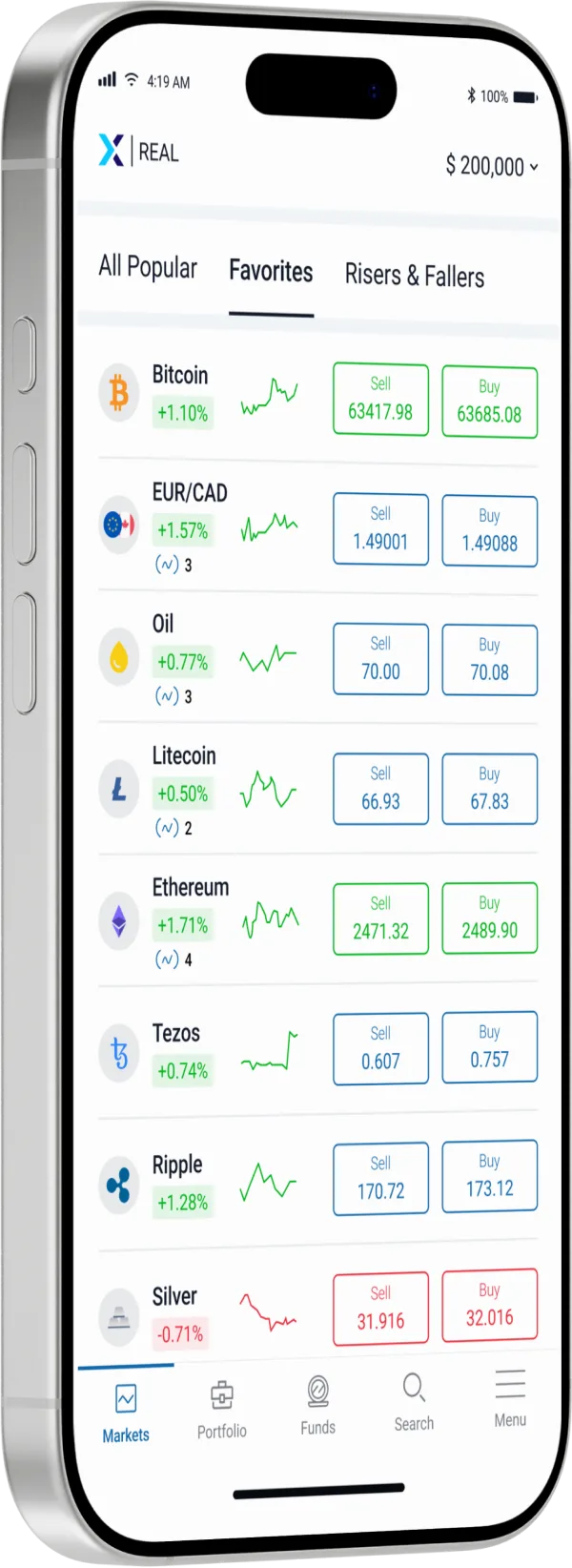
Appuyez sur l'instrument que vous souhaitez acheter
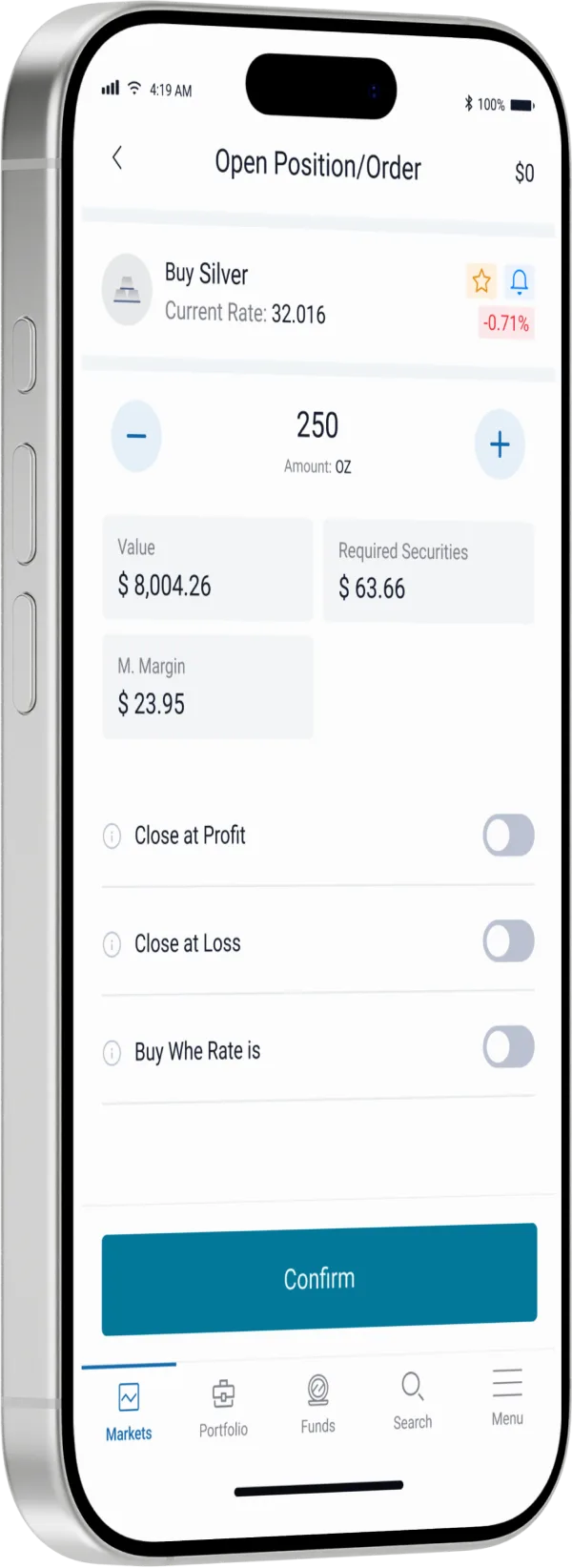
Choisissez le montant que vous souhaitez investir
Confirmez votre commande et c'est parti !
⏳ Inscrivez-vous en quelques minutes gratuitement (0,00 $)
live-chat-icon